Aluminum clear anodizing delivers reliable corrosion protection and aesthetic appeal, but selecting the proper class can determine service life and appearance. Class I and Class II aluminum clear anodized finishes each offer distinct oxide thicknesses and performance characteristics.
Comparing Class I and Class II Aluminum Clear Anodized Finishes
Class I anodized aluminum creates a 0.7 mil or greater oxide barrier for maximum corrosion resistance in aggressive environments, whereas Class II anodized aluminum delivers a minimum 0.4 mil oxide layer that balances durable protection with a bright, transparent metallic sheen. Class I prioritizes ultimate durability while Class II optimizes clarity and cost efficiency.
Key Differences Between Class I and Class II Aluminum Clear Anodized Finishes
- Oxide Layer Thickness
Class I oxide layers range from 0.7 mil or greater, delivering superior barrier protection. Aluminum Clear Anodized Finish Class II layers, typically at 0.4 mil, offer moderate corrosion resistance with minimal build-up. - Corrosion Resistance
In marine or industrial settings with high chloride exposure, Class I clear anodizing excels at blocking moisture ingress. Class II clear finishes resist typical outdoor conditions while preserving a brighter metallic sheen. - Surface Hardness and Wear Resistance
Both classes achieve remarkable hardness, second only to diamonds on the Mohs scale, but the thicker Class I layer extends service life in abrasive applications. Class II still guards against scratching in consumer goods and architectural trim. - Clarity and Aesthetic Quality
Aluminum Clear Anodized Finish Class II maintains a more transparent finish, highlighting the metallic sheen of anodized aluminum. Class I can exhibit a slightly matte appearance due to the increased oxide depth. - Cost and Production Speed
Shorter cycle times and lower material usage make Class II finishes more economical for high-volume runs. Class I processes require longer anodizing and sealing times, increasing cost but delivering maximum durability.
How to Choose the Right Class for Your Project
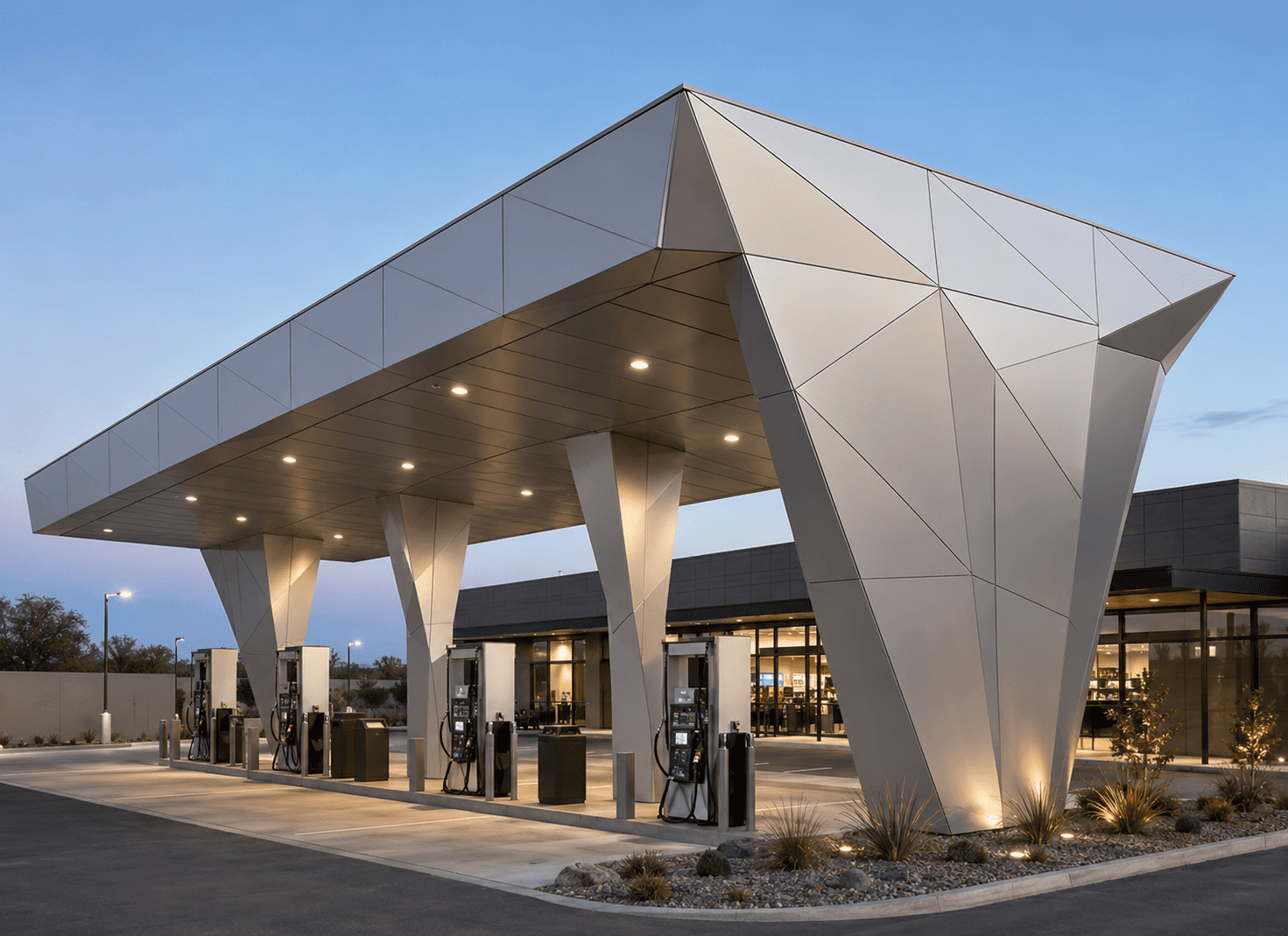
Your environment and design goals determine the optimal anodizing class. For coastal architecture, structural components, or transportation equipment, Class I barrier protection delivers unmatched corrosion resistance. In consumer electronics, architectural facades, and interior trim, Class II highlights the natural metallic finish while controlling budget and throughput.
Ready to protect your designs with the right anodizing solution? Contact us today and discover how Lorin’s world-class anodized aluminum can deliver lasting performance and clarity for your next project.